


Functional Neurological Disorder Therapy for Symptoms That Deserve to Be Taken Seriously
Online FND therapy for adults in Colorado and Florida. Your symptoms are real, even when all the tests do not provide clear answers. Through specialized, trauma-informed care, you can better understand FND and build practical tools to move towards functioning better and feeling hopeful.

FUNCTIONAL NEUROLOGICAL DISORDER COUNSELING
IN CO & FL
Functional Neurological Disorder Is Real,
and So Is Recovery
You're Not Imagining It, and You're Not AloneLiving with Functional Neurological Disorder (FND) feels like your own body has turned against you. One moment you're going about your day, and the next you're hijacked by tremors, non-epileptic seizures, or a sudden loss of balance, vision, or motor control. Simple things like walking down the hall, brushing your teeth, or eating can suddenly feel impossible. You don't fully understand what's happening, and the people around you understand it even less.
That unpredictability creates a unique kind of exhaustion. You might feel hypervigilant, constantly scanning for the next symptom, or isolated by how invisible your struggle is. FND is also closely linked to trauma, and it tends to fuel anxiety, depression (Patron, et al., 2022), and even more trauma over time. Your symptoms are physically real, but they're rooted in disruptions to your nervous system's signaling, which is exactly why trauma-informed FND therapy, and sometimes couples counseling, is a foundational part of recovery (Espay, et al., 2018).
It’s time to try something different.Medical and other providers looking to refer a patient for FND counseling, click here.

How Mental Health Counseling Supports
FND Recovery.
You already know FND isn't all in your head. The problem is that many providers still don't. People spend years cycling through doctors, only to be told everything is fine and sent home feeling invalidated and dismissed. That's why specialized, FND-informed care matters so much. — Interrupt the cycle
Constantly monitoring yourself for any sign of FND symptoms, and starting to panic when you notice them, only exacerbates the situation. Also, you probably searched for answers for a long time and kept pushing through feeling discouraged and defeated. Learning how to interrupt the constant worry and soothe the anxiety is a necessary first step to recovery. Therapy can help you realize that life can be different.
— Regulate your nervous system
It may not seem like it, but FND means your nervous system is trying to protect you from a threat. You’d love to be able to self-soothe but maybe just don’t know how. Restoring a sense of calm and safety is a vital part of your recovery.
— Resolve underlying trauma
Remember when you first started noticing your symptoms? Is that memory burned into your awareness and still very painful to recall? Or perhaps you have memories of other episodes and symptom flare-ups that haunt you. Past trauma can often contribute to FND symptoms, and FND itself can be traumatic as well. Relief from the memories that still trigger your nervous system can go a long way towards FND recovery.
— Navigating the healthcare system
You may be referred to neurology, physical therapy, occupational therapy, speech therapy, and medication prescribers. Chronic dizziness might even get you referred to an ear, nose, and throat specialist. All of the medical appointments are exhausting. Get support from someone who understands how all of these roles help with FND. I’ve established connections with healthcare providers in CO who understand FND, and I’m happy to assist in the entire process.
— Repair relationships
You want friends, family, and romance; not someone who looks at you like a sick puppy or silently builds anger and resentment because they just don’t get it. Learn how to discuss your condition with others, have healthier relationships, and foster more compassion and understanding for yourself. I also offer relationship therapy for people who need support communicating their needs with their partner(s).
— Move forward with courage
You want friends, family, and romance; not someone who looks at you like a sick puppy or silently builds anger and resentment because they just don’t get it. Learn how to discuss your condition with others, have healthier relationships, and foster more compassion and understanding for yourself.
Hi, I’m Adam,
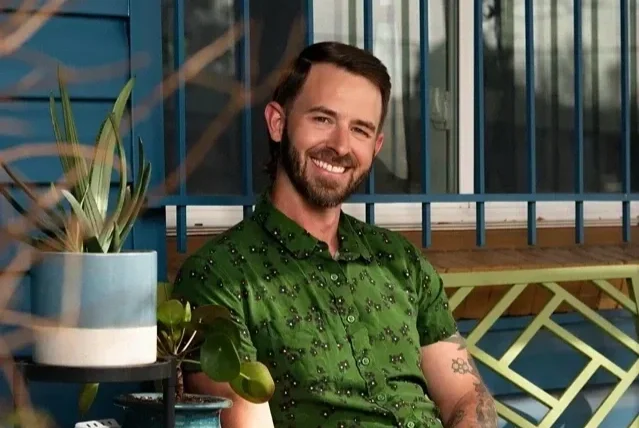
I found my way to FND therapy by helping people who'd never found help anywhere else. I've watched people search for answers for years, only to end up feeling invalidated, hopeless, and ashamed. I've seen FND unravel jobs, marriages, and I've seen how the people closest to them often can't understand what's happening or why. It shook me, and it's exactly why I do this work.
Most people with FND have been misjudged by providers. Affirming, knowledgeable, nonjudgmental care is where I start. You won't have to worry about being doubted or looked down on here.
Because FND and trauma are so closely linked, it also matters that I specialize in EMDR treatment for trauma. I've focused my training on high-quality, depth-oriented, phased trauma work, and I tailor it to each person rather than forcing everyone through the same approach.
- Adam Stanford, LPC, LAC Gottman Method I EMDR I CBT I DBT I Licensed Addiction Counselor I Licensed Professional Counselor
Telehealth therapy services online in Colorado & Florida

How I Work
An in-depth approach that really supports FND.
This is therapy that targets FND symptoms and their contributing factors directly.
-
Fear and loss of control of your own body pours gas on the anxiety fire. Somatic therapy helps you get back in tune with your body and experience it with understanding and safety. It helps reopen and repair the neural pathways that have been malfunctioning.
-
FND can be confusing and overwhelming, but learning more about it can help make it more manageable. When you know how to replace negative thinking cycles that can both trigger and worsen symptoms with constructive thinking, you start to regain control. CBT can help you create the kind of cognitive patterns that open your mind up to growth and healing instead of being stuck in perpetual negativity.
-
Explore a large variety of skills for mindfulness, emotion regulation, and distress tolerance. These skills can restore a healthier connection to your own body and emotions as well as stop or reverse panic. Identify which of these skills best help you remain calm, grounded, and feeling safe. FND can also put a lot of strain on relationships, and DBT interpersonal effectiveness skills can help understand how to balance your needs and self-respect with the needs of others.
-
What happens when doctors tell you and your loved ones, “we can’t find anything wrong?” Something is definitely wrong, it just simply doesn’t show up on their tests. But people often start believing nothing is actually wrong and change how they view you. When someone doesn’t believe your struggle is real, they can become judgemental, angry, and resentful- especially if they’ve been helping take care of you. Couples therapy can help you regain compassion, understanding, and an overall positive sentiment towards one another. It can also help couples who have gotten stuck in, or complacent with, an uneven caregiving role learn to get back into a more equitable dynamic.
-
Past trauma often contributes heavily to FND, and desensitizing and reprocessing traumatic memories can address FND at its root cause. Trauma recovery means no longer feeling anxious, afraid, hopeless, or irrationally guilty when thinking about things that are over now. This allows for the nervous system to finally let it go and move those experiences out of the inbox and into the file cabinet where they belong. EMDR can also be used to address FND directly, like the first time you noticed symptoms or fears of symptoms returning.
-
Phase 1: Safety & Stability A consistent sense of safety, achieved through nervous system regulation, is key to retraining your neural pathways. Skills from CBT, DBT, and EMDR help you stay grounded and in the present moment.
Phase 2: Remembrance & Mourning EMDR, along with nervous system regulation, helps you safely reprocess and desensitize to any memories that still feel too fresh. This phase can be very helpful, but it is always optional and never necessary.
Phase 3: Reconnection & Integration Close the chapter, or volume, of your life that has been dominated by illness. Get back to activities you used to enjoy. Get to know who you are when FND no longer defines you. Make meaning out of what you’ve gone through, and reclaim your life
FAQ
Questions people ask before starting FND counseling.
-
Sessions are $225 each (53 minutes). I am an out-of-network provider. I prioritize specialized care for my clients, which allows me to work without the restrictions of insurance companies. I provide monthly superbills that you can submit to your insurance for potential reimbursement. I've partnered with Thrizer to handle that process automatically, which typically saves clients around 70% upfront. You can check your benefits in under a minute here.
-
The short answer is no, you do not need an official FND diagnosis to start psychotherapy for FND. I can help with trauma, stress, anxiety, depression, anger, and whatever other emotions you’re struggling with regardless of an FND diagnosis. The longer answer is that if you are experiencing the symptoms of FND, there could be a physical cause that mental health counseling will not address. All symptoms of FND do warrant neurological and other assessments to know for sure what’s causing them, but I’m happy to work with you wherever you’re at.
-
No, I will never push you to remember or discuss anything you don’t want to. For your safety, we will not go into trauma history unless you decide you want to and you’re able to do so safely. A substantial amount of progress can be made just focusing on nervous system and emotion regulation. If we do address the trauma memories directly, it will be done in a way that ensures it will be manageable and not cause more harm.
-
I certainly cannot make that decision for you, but I can help you make it. Research has shown that Medication Assisted Treatment (MAT) greatly improves the efficacy of substance abuse treatment (National Academies of Sciences, Engineering, and Medicine, 2019). I do not hold a medical degree and cannot prescribe. I’m familiar with the options, I can help you navigate the process, and I support your decision either way.

Are you ready to finally feel understood?
If you’re ready for change, let's talk. Schedule a free consultation to see if this feels like a good fit.

FOR MEDICAL & OTHER REFERRING PROVIDERSReferring a Client for FND Therapy?
I welcome referrals and collaboration with other FND recovery providers. Download the referral guide for financial-fit, consultation, and continuing-care steps.